
Obsessing Over Obsession (2026): The Horror of Being Loved Without Choice
Beyond its horror elements, this movie is a disturbing exploration of what happens when “love” is forced rather than freely chosen.

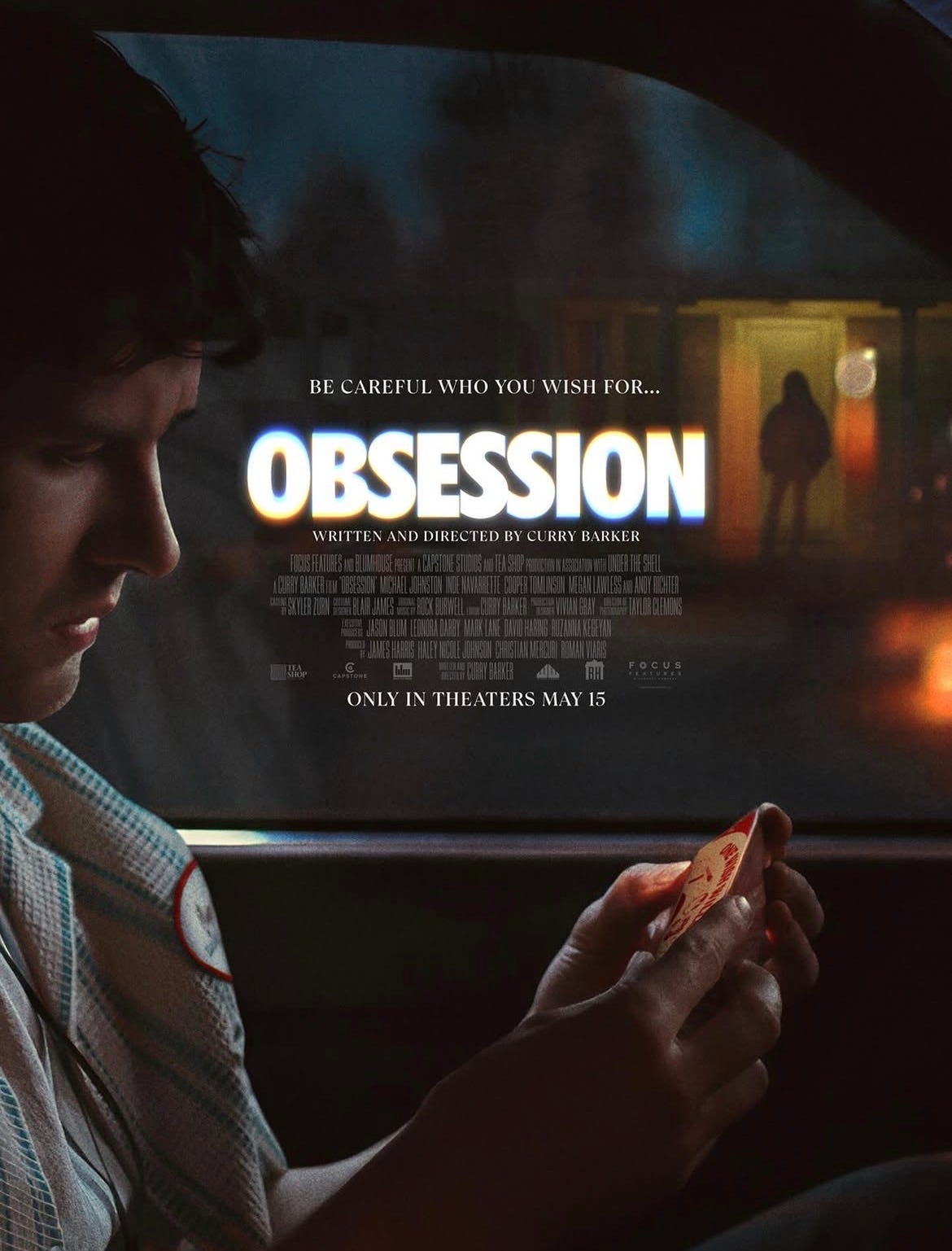
Yesterday I watched Obsession (2026), and after finishing it, I can safely say it is one of those horror films that leaves you with something beyond fear: a much more visceral feeling about its implications.
The premise itself is not original. I have encountered it several times before, especially in myths, fairy tales, and even cartoons: someone wants the person they are attracted to to fall in love with them, turns to magic, and the wish ends in disaster. Yet I had never seen that premise explored with such disturbing horror implications.
What surprised me most, though, is that this is a horror film that leaves you feeling sad and angry rather than scared. Yes, there are supernatural elements, but at its core the story revolves around something painfully familiar to most of us: an unrequited crush. The real horror lies in how far someone is willing to go to make those feelings mutual.
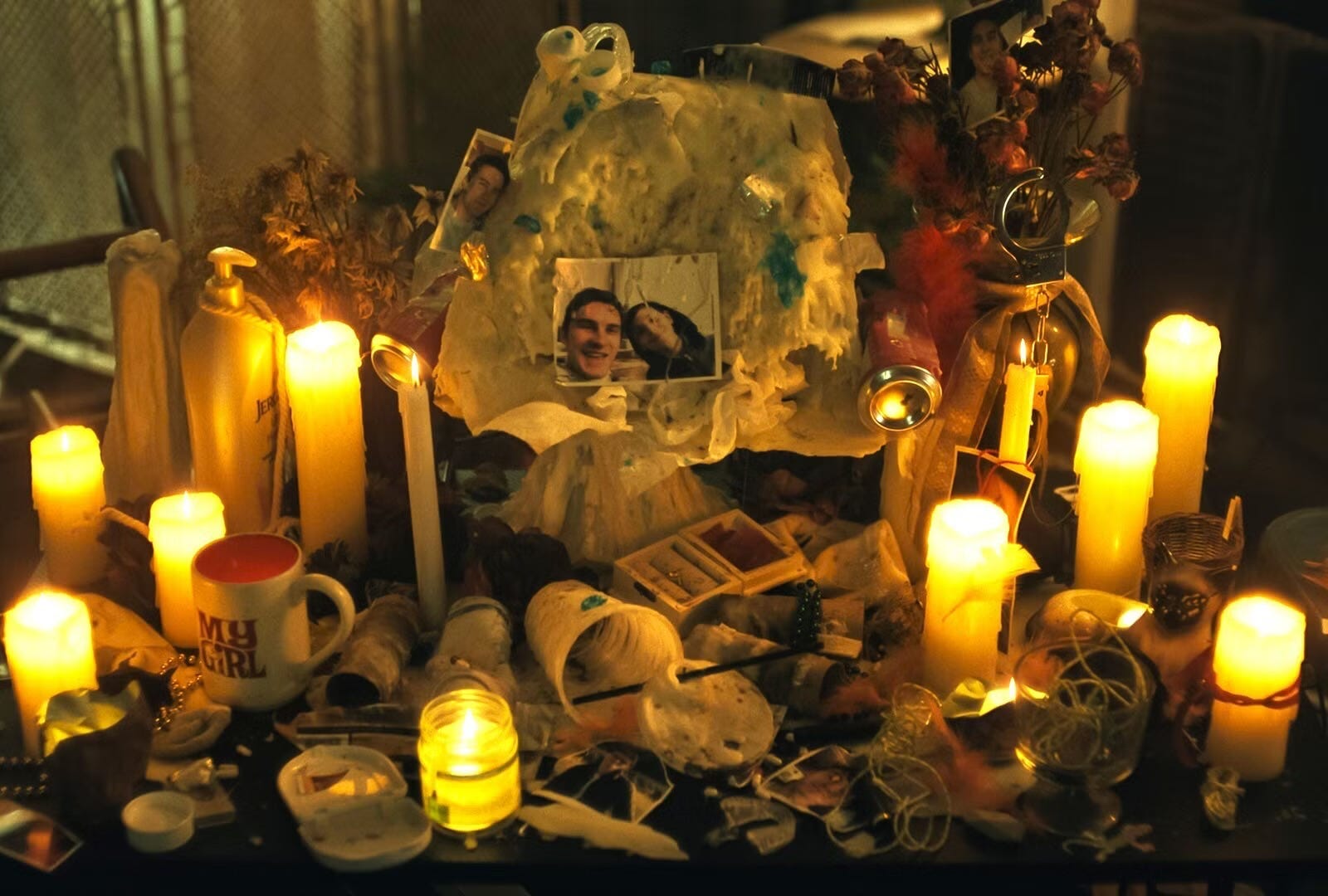
That said, at first, I did not think Bear’s initial feelings for Nikki could even be compared to Nikki’s later obsession with him. At the beginning, he still has a life outside of her. He is grieving the death of his cat, spending time with friends, and simply comes across as a young man with a crush rather than someone genuinely frightening. It is, however, his behaviour throughout the film that made me reconsider this and think that he may actually be even more obsessed with her than she was with him.
Everything changes the moment Nikki is forced to love Bear more than anything else in the world. Love is stripped of everything that normally defines it and becomes pure and terrifying devotion. If nothing matters more than Bear, Nikki’s own identity immediately loses its value. Even the things Bear once loved become threats in her eyes (his cat, for instance). Nothing exists outside of him anymore. There are no boundaries, no personal space, and no respect for the other person’s identity, passions, or individuality.
At the beginning, when I still did not see Bear as more obsessed than Nikki, I found myself feeling sorry for him. He never intended for the wish to actually come true, and the situation quickly turns into a nightmare. But as the film progressed, I immediately stopped sympathizing with him.
Also, I could not help but notice that his name is Bear. It immediately reminded me of the viral question: would you rather be alone in the woods with a man or a bear? It is probably just a coincidence, but I think this question surprisingly connects with the themes of the movie.
The protagonist’s wish transforms his love interest (interestingly, a woman) into an object that can be acquired, possessed, and controlled. She becomes something to obtain rather than someone with agency. When Nikki’s obsessive devotion eventually becomes overwhelming even for Bear, he immediately senses that something is wrong. He knows it is not real.
And this is precisely the moment when I stopped pitying him altogether.
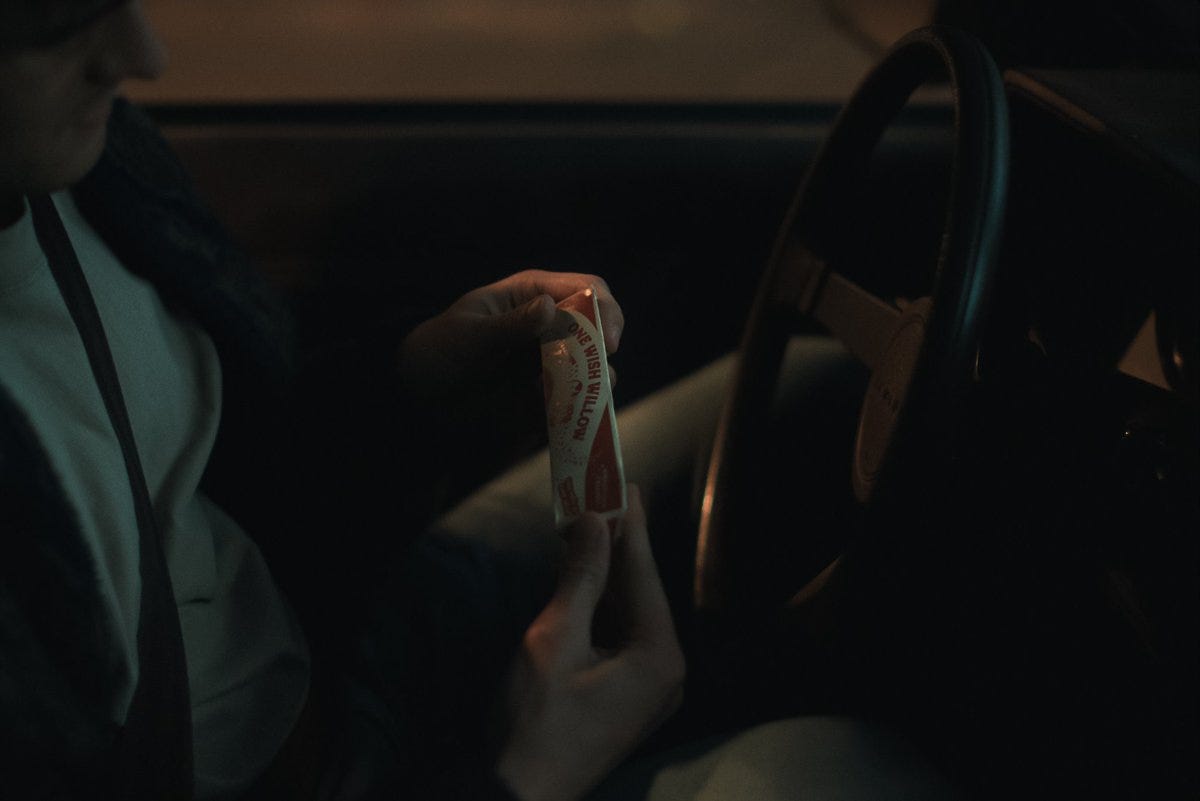
Even after realizing that something is terribly wrong, Bear never truly tries to help Nikki. Instead, he spends most of the film protecting both her and their relationship from the public eye.
During the phone call with the man whose number appears on the back of the “One Wish Willow” box, Bear is asked whether he wants to take the wish back, but he immediately answers “no” (even though we soon find out that this would not have been possible anyway). He refuses because he does not want to lose what the wish has given him: control, possession, and unconditional devotion. Not Nikki herself, but the version of Nikki that exists entirely for him. Only at the very end, when it is far too late, does he finally involve Ian, but by then nothing can be saved.
One line from that phone call particularly stayed with me:
“Just because you chose for her, it doesn’t make it less real.”
I found that sentence deeply unsettling.
Technically, it is true. Nikki really does love Bear more than anything else in the world; that is what the wish implies. The feeling exists. But if that feeling never originated from her own free will, can we still call it real? I do not believe so.
What made me pity Nikki even more was remembering something she says early in the film: she wants to pursue writing more seriously, but believes she first needs to experience love in order to write convincingly about it. Watching her deprived of that genuine experience because of Bear’s selfishness made me genuinely sick to my stomach.
I think one image from the movie perfectly captures this entire dynamic: the taped door.
At first glance, it seems to symbolize Bear’s entrapment. But the more I continued watching the movie, the more I realized that it works both ways. Bear is trapped by the consequences of his own desire, while Nikki is trapped inside a mind that no longer belongs to her. The metaphor extends beyond the supernatural plot itself. Obsession is a prison not only for the person being obsessed over, but also for the one doing the obsessing.
The ending was an emotional roller coaster that ties the story back to the beginning. Bear dies in much the same way as his cat, while Nikki is finally restored to herself (although, of course, nothing can truly return to what it was before).
This may sound harsh, especially considering I will hopefully never find myself in a magical situation like this, but I honestly think that if Bear had truly cared about Nikki, he should have taken his own life much sooner. That is easy to say when you are not the one making that decision. But by that point, every attempt to find another solution had already failed. Meanwhile, two of their closest friends had died.
The reason I say this is because I never got the feeling that Bear valued Nikki’s well-being more than the devotion she showed him. Even after Nikki literally begged him to kill her, he still ignored the problem and continued trying to hold together the pieces of their collapsing reality. That, to me, revealed that he remained attached to the fantasy the wish had created rather than to Nikki herself.
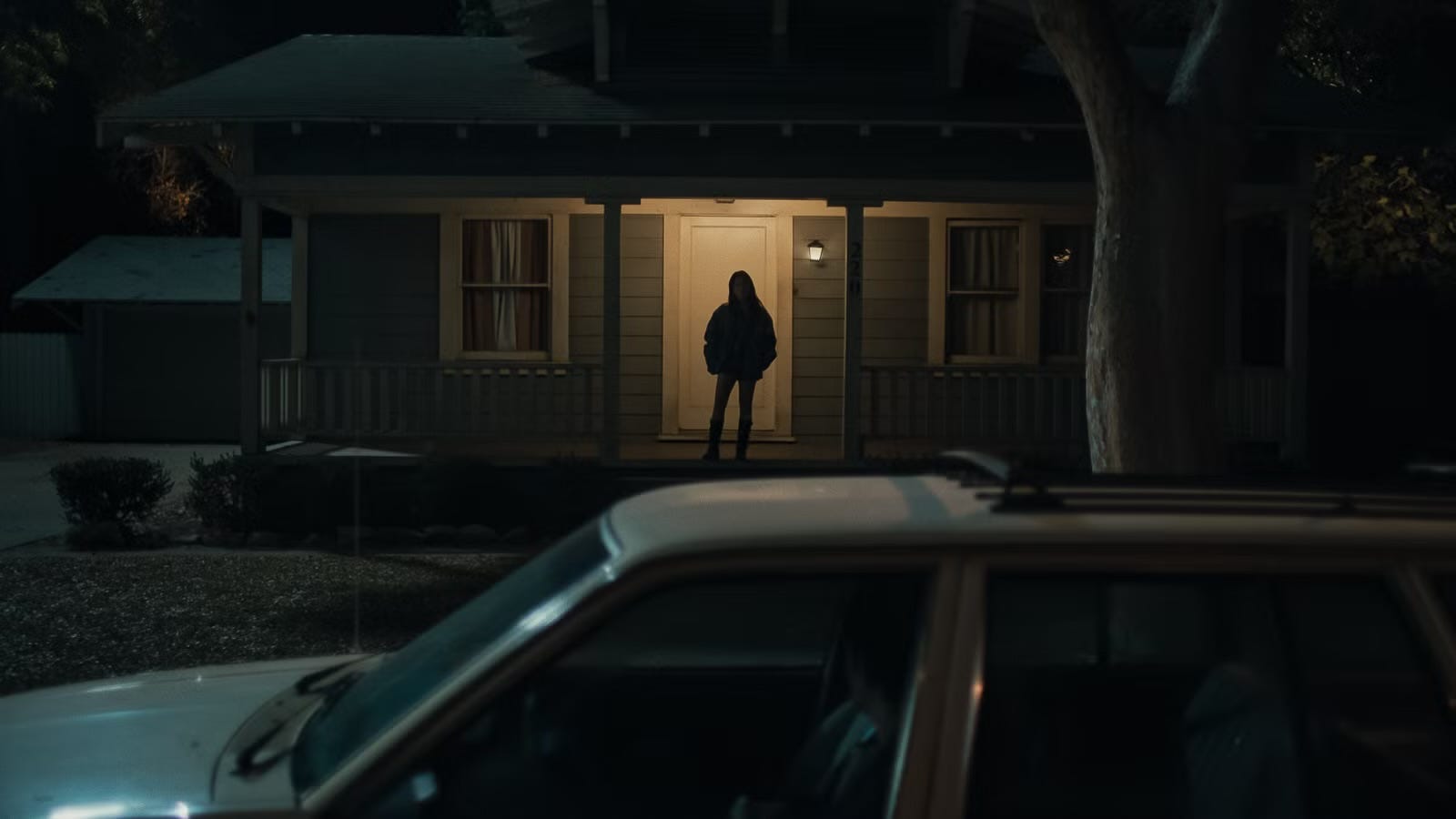
That is why one thing I wish the film had explored more is whether Nikki remained conscious throughout everything that happened or whether she remembers none of it afterward. Regardless, I think the ending was exactly the right one. It would have been easy to conclude with both of them trapped forever inside their mutual obsession. Instead, the film allows Nikki to escape.
And honestly, after everything she endured, I am glad it did.
The movie opens with Ian telling Bear:
“All you have is time.”
At first, it sounds like a throwaway line. By the end, it becomes the film’s cruelest irony.
What Bear wanted could only have happened naturally, if it happened at all. He could have confessed his feelings and been rejected. He could have embarrassed himself. He could have lost Nikki’s friendship forever (or perhaps, with time, they would have remained friends, or maybe she would have eventually fallen for him). That uncertainty is part of loving someone.
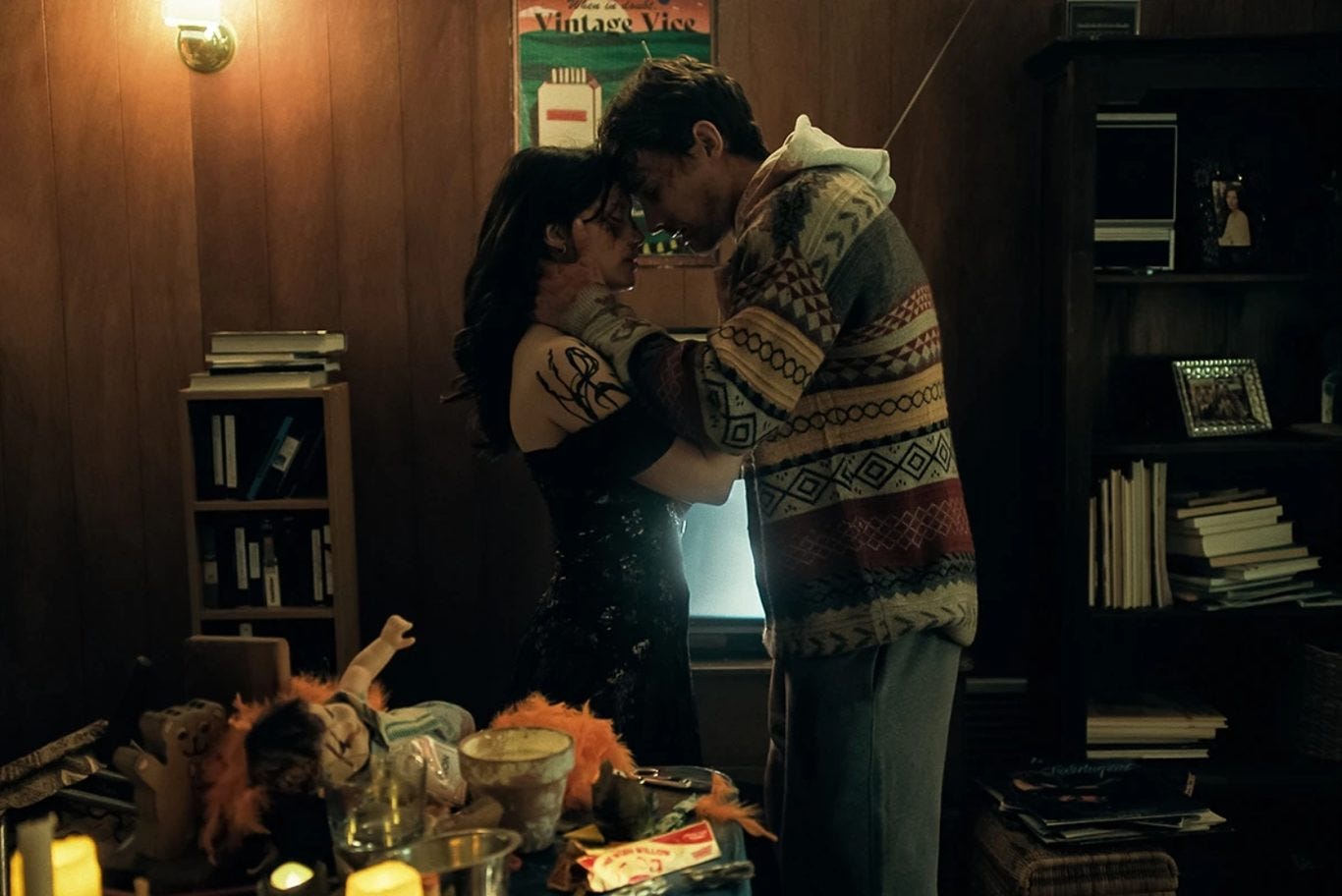
Instead, Bear chooses a shortcut. He wants the outcome without accepting the vulnerability that comes with it. He wants love without rejection, intimacy without patience, certainty without risk.
It is an impossible paradox. And that choice ultimately costs him the very thing Ian told him he had all along: time.
Perhaps that is the film’s most unsettling idea. Obsession is not simply the opposite of love because it is more intense; it is the opposite of love because it refuses everything that makes love possible. It rejects freedom, uncertainty, and choice.
In trying to force love into existence, Bear destroys the very possibility of ever being truly loved.
I would love to hear your thoughts on this movie in the comments. What do you think the film is ultimately saying about obsession?
Wow❤️🔥 amazing let’s connect now 💯😇